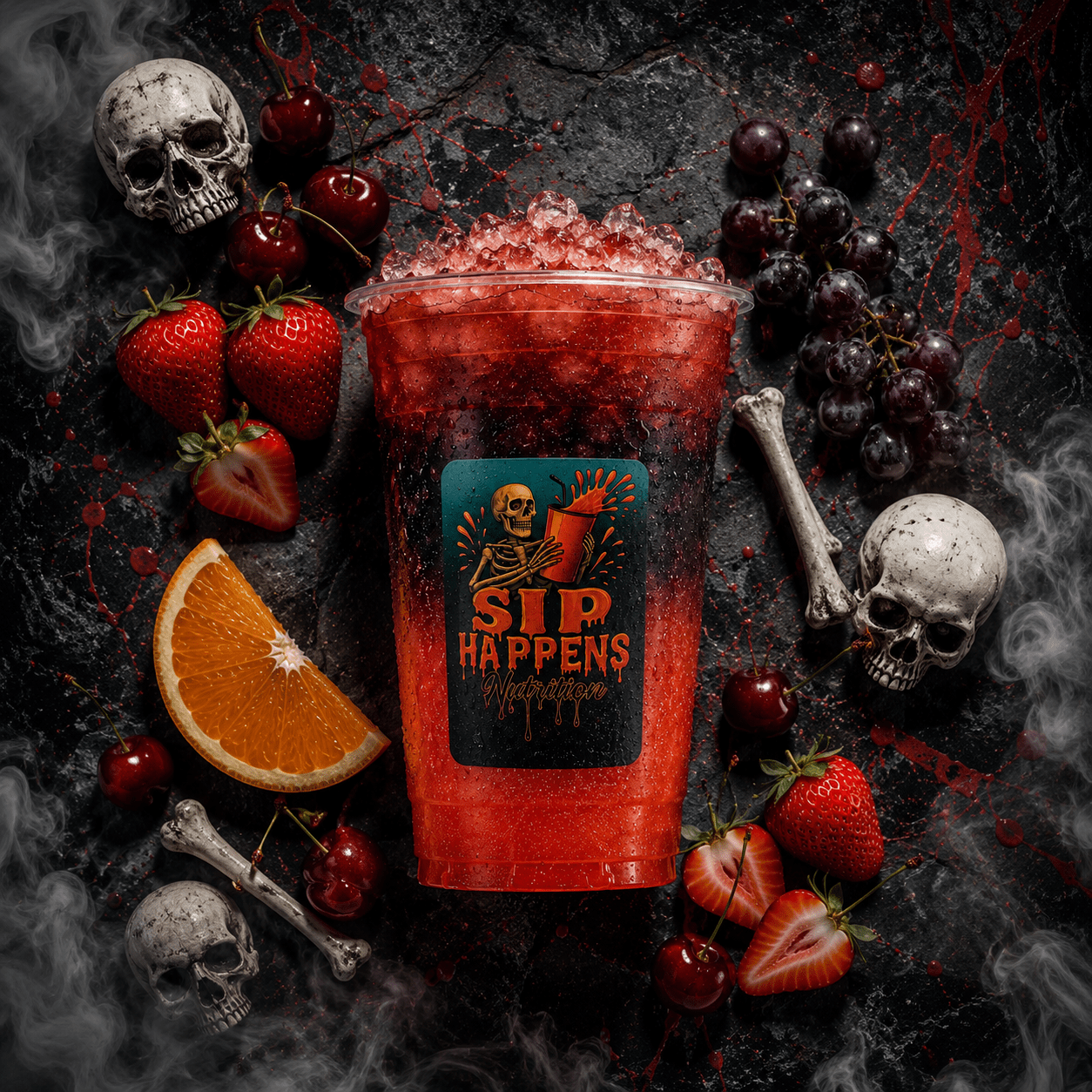
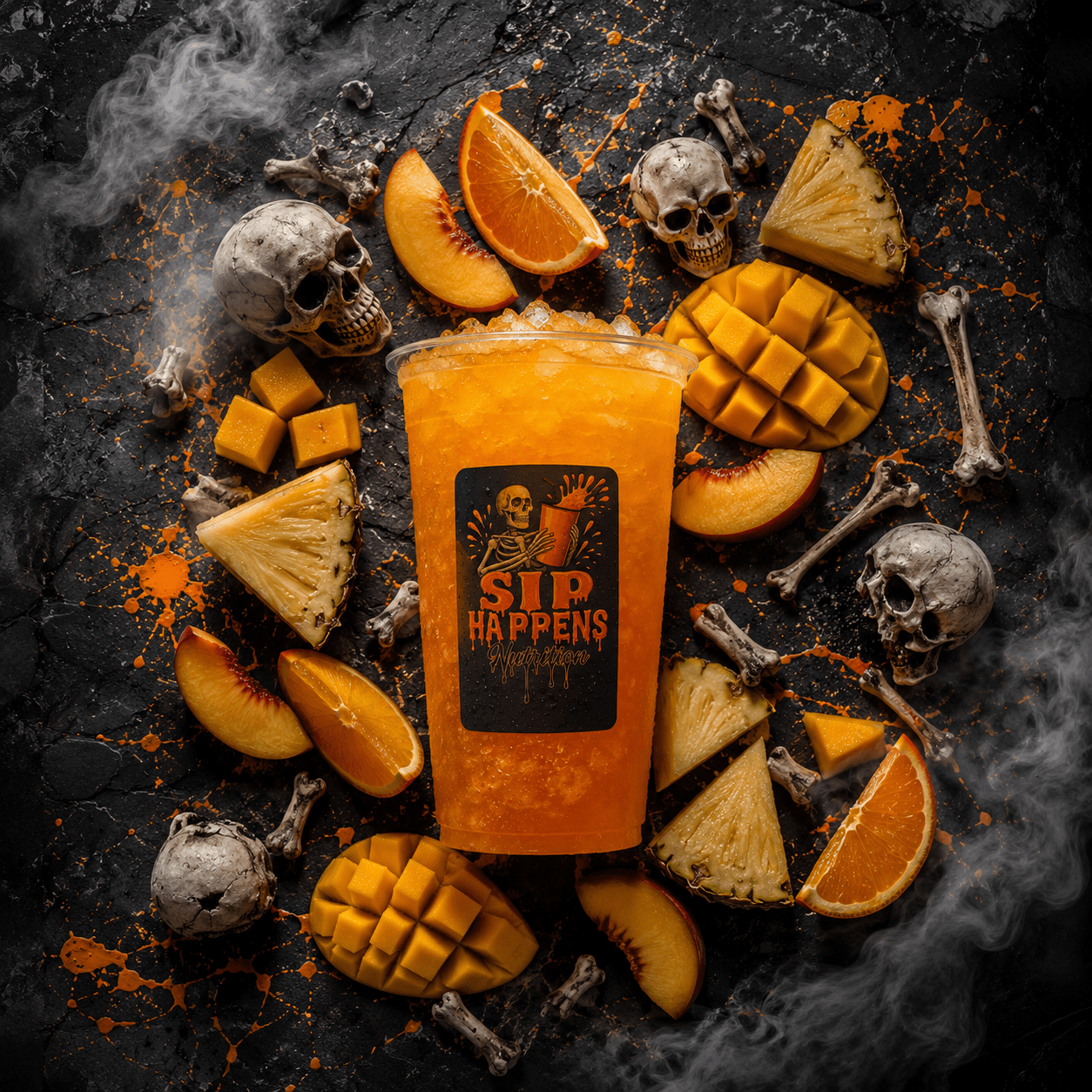
What
is a
loaded
tea?
A loaded tea is a single-serve drink mix that turns 32 oz of water into a cold, fruit-forward energy drink. Most loaded teas use green and white tea for natural caffeine, sweeten with stevia instead of sugar, and stack in vitamins like C, B12, B5, D3, and biotin — energy-drink lift without the sugar or the synthetic stimulants. SIP Happens packs 180 mg of caffeine and 20 calories into every packet, comes in 40+ flavors, and ships nationwide.
What “loaded tea” actually means
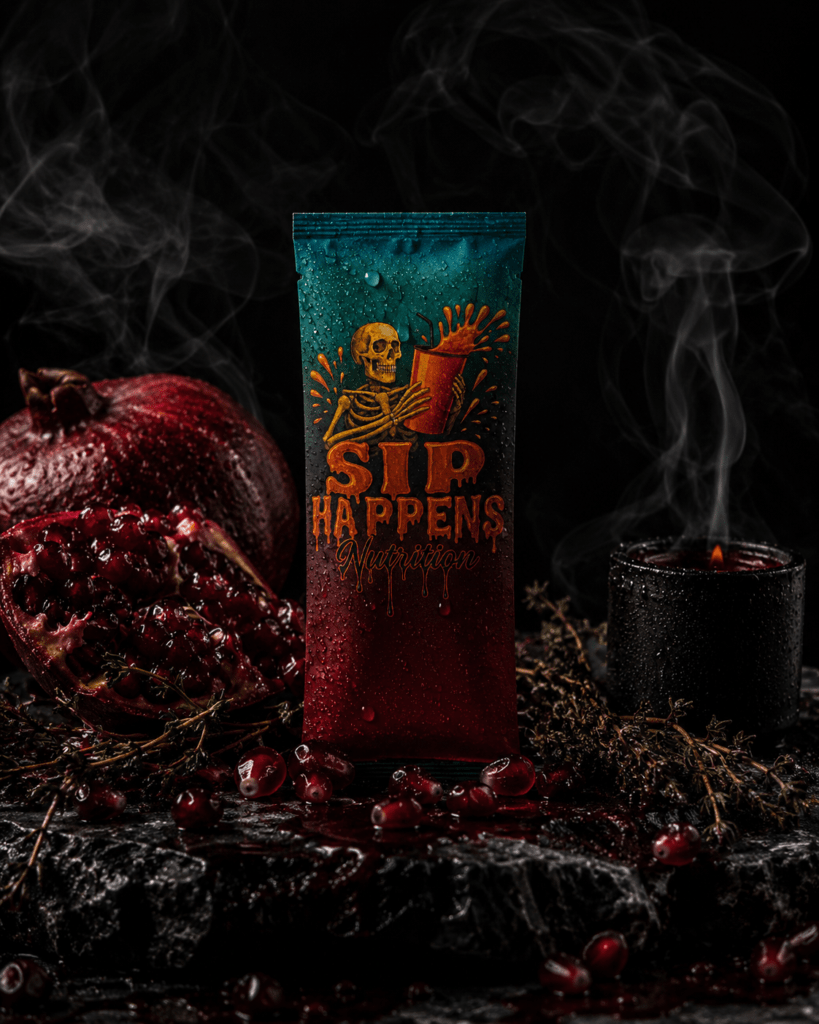
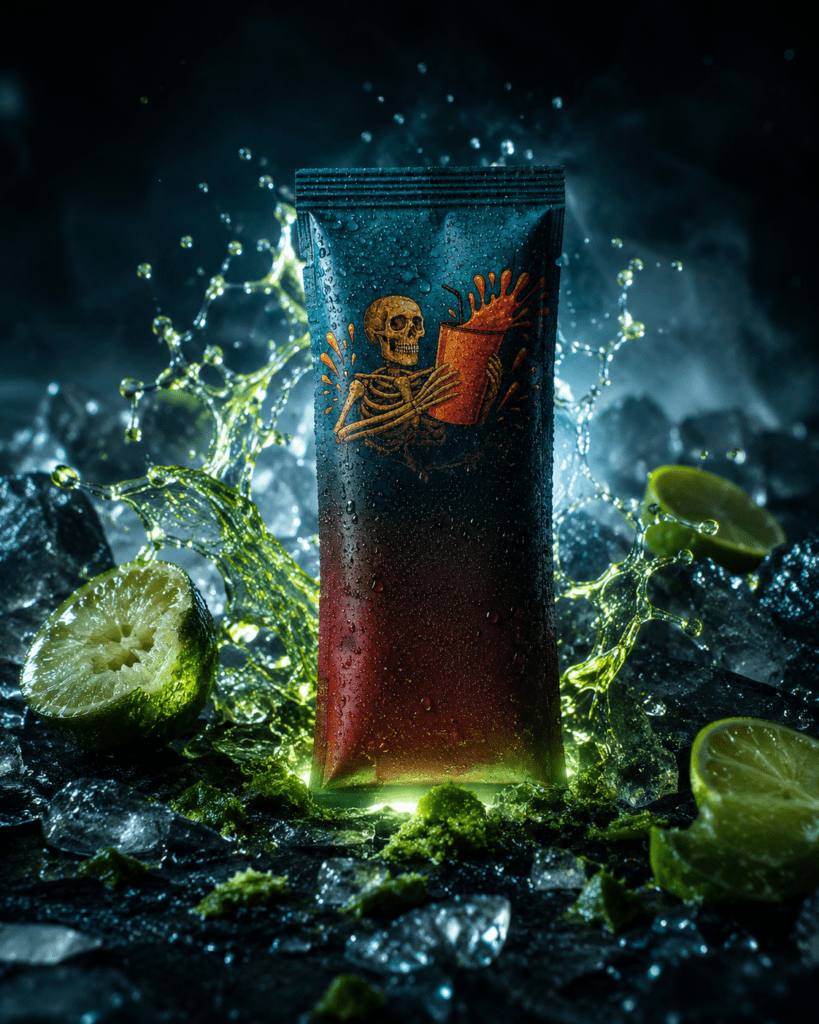
A loaded tea is a single-serve drink mix — typically a packet of powder — that turns 32 oz of water into a fruit-flavored, caffeinated drink. The format originated in the nutrition-club scene of the early 2010s, where club operators would scoop together different powders (an aloe component, a tea concentrate, and a flavored powder) to build custom 32 oz drinks for walk-in customers. Over the last few years, brands like SIP Happens have packaged the entire build into a single shelf-stable packet so anyone can make the same drink at home or on the road, without joining a club.
A typical loaded tea contains a tea-based caffeine source (green tea, white tea, or both), a sweetener (some brands use sugar, some use sucralose, others use stevia), fruit flavoring, and a vitamin blend. The cup is usually 32 oz because that’s the volume needed to dilute the caffeine and tea concentrate down to something that drinks easily over an hour or two.
What’s actually in a SIP Happens loaded tea
Each SIP Happens packet contains:
- 180 mg of caffeine, sourced from green tea and white tea (not synthetic caffeine anhydrous)
- 20 calories per 32 oz serving
- Stevia as the only sweetener — no sucralose, aspartame, or sugar
- Vitamin C, B12, B5, D3, and Biotin
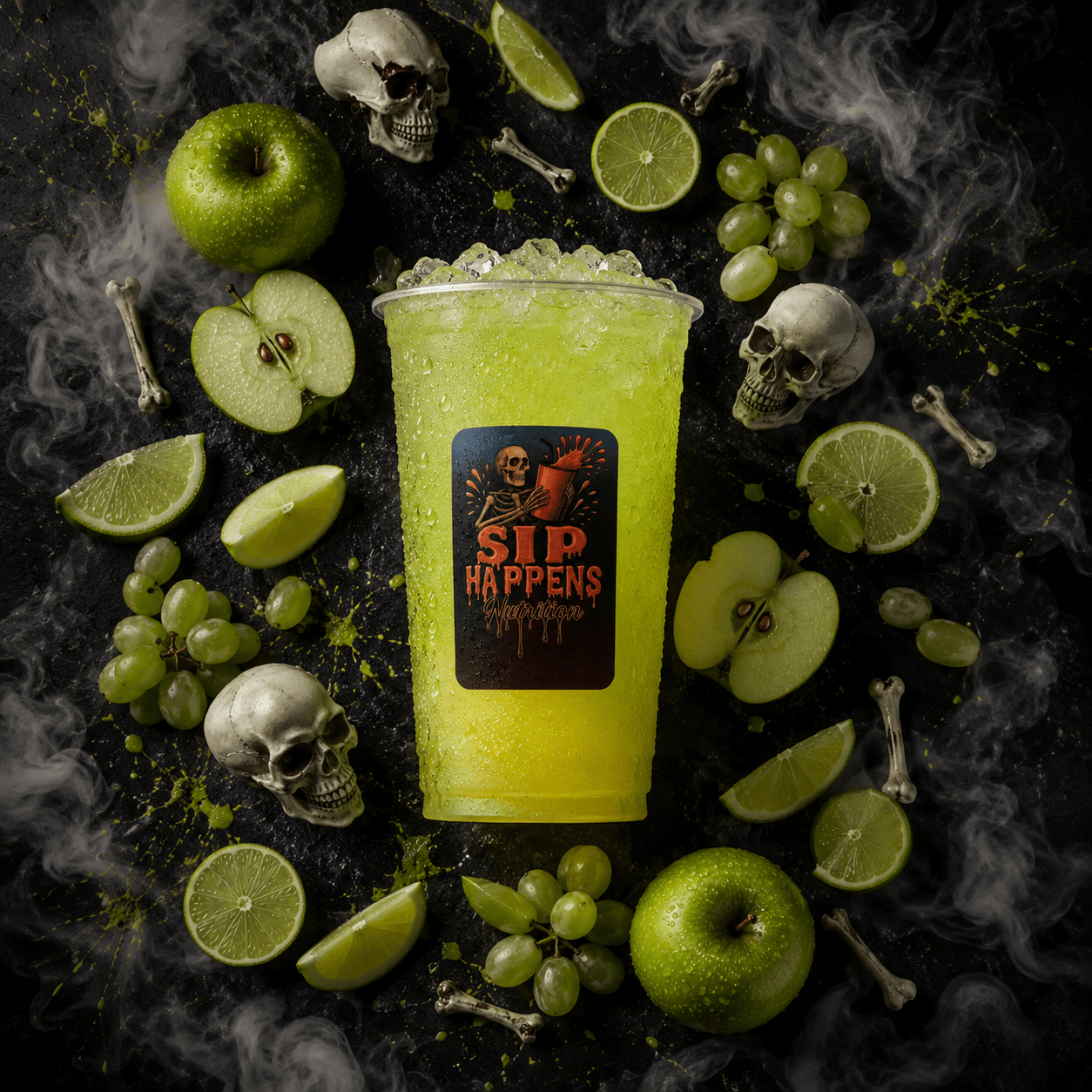
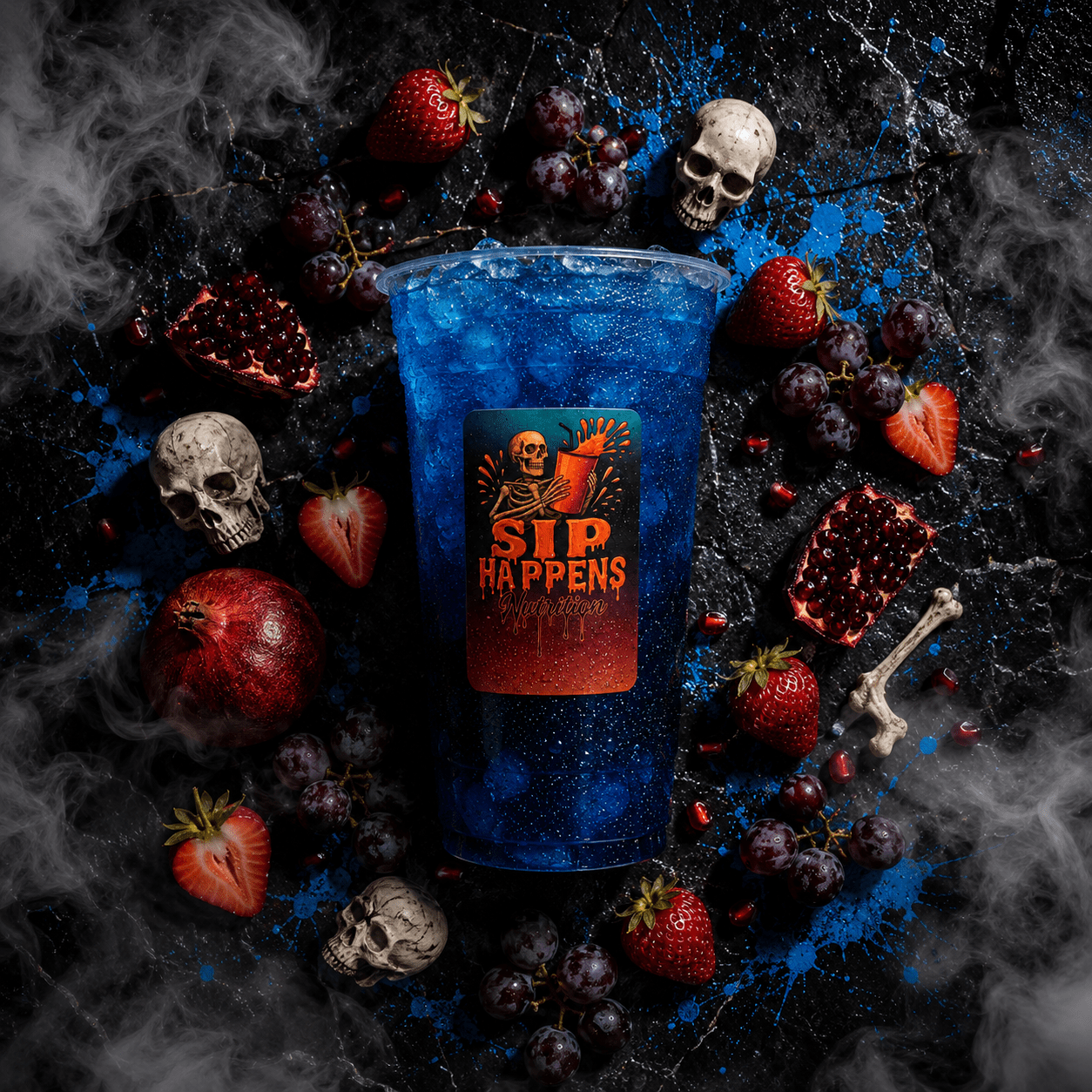
- Natural and artificial fruit flavoring matched to the drink (cherry, blue raspberry, coconut, pineapple, and more)
Every packet makes one 32 oz drink. Pour the packet into a shaker bottle, fill with cold water (or ice and water), shake for 10 seconds, drink. There’s no separate aloe shot, no measuring scoops, and no “club” component — that’s the whole point.
Caffeine advisory: 180 mg per serving. Not recommended for children, pregnant or nursing women, or anyone sensitive to caffeine.
How loaded tea compares to coffee, energy drinks, and pre-workout
On caffeine, 180 mg is roughly the same as a large cup of brewed coffee (around 16 oz of drip). It’s less than the strongest pre-workout-style energy drinks (which can hit 300 mg) and roughly comparable to a 12 oz can of a fitness-focused energy drink (typically 200 mg). It’s more caffeine than a standard 8.4 oz energy drink can (around 80 mg).
The caffeine comes from tea leaves rather than synthetic caffeine anhydrous. Tea also contains L-theanine, an amino acid that many drinkers say makes tea caffeine feel steadier than energy-drink caffeine.
On calories, 20 calories per 32 oz puts SIP Happens loaded teas in the same range as most zero-sugar energy drinks and well below sweetened sodas, smoothies, or commercial pre-workout drinks. The volume (32 oz vs. 8–16 oz for most energy drinks) is part of the appeal: it stretches the caffeine over a longer drinking window, which usually feels steadier.
On sweeteners, the choice of stevia over sucralose and aspartame is a deliberate positioning move. Many people find sucralose hard to drink in large volumes and prefer stevia’s flavor profile for fruit-forward drinks. (If you don’t love stevia, you probably won’t love any modern loaded tea.)